

When Cyclone Phailin struck the Odisha coast on October 12, 2013, it arrived with devastating potential. Classified as a “Very Severe Cyclonic Storm,” Phailin packed wind speeds exceeding 230 km per hour, accompanied by torrential rainfall and storm surges reaching up to 3.5 metres. Its scale invited comparisons with the catastrophic Super Cyclone of 1999, which had claimed nearly 10,000 lives. Yet, in stark contrast, Phailin resulted in only 21 fatalities. This dramatic reduction in loss of life stands as one of India’s most remarkable disaster management success stories.
Odisha has long been one of India’s most disaster-prone states, frequently affected by cyclones, floods, droughts, and heatwaves. Its coastline along the Bay of Bengal makes it particularly vulnerable to tropical storms. Historical records show that a majority of cyclones in the region have crossed the Odisha coast, often leaving widespread destruction in their wake.

The memory of the 1999 Super Cyclone proved to be a turning point. The immense loss of life and property exposed systemic gaps in preparedness, response, and coordination. Over the years, Odisha transformed this painful experience into a catalyst for reform, investing heavily in institutional capacity, infrastructure, and community resilience.
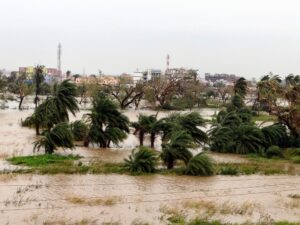
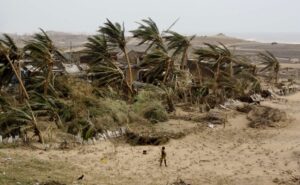
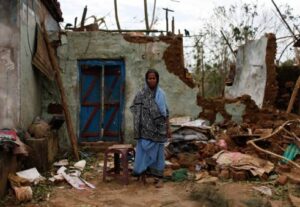
Cyclone Phailin was not just a storm. It was a multi-dimensional disaster. It affected 19 out of 30 districts in Odisha, impacting over 13 million people. Nearly a million houses were damaged, and crops across 1.3 million hectares were destroyed. Power supply was disrupted for around 3.8 million consumers, while heavy rainfall amounting to nearly 600 mm in some places triggered severe flooding in the days following the cyclone.
The challenge was further compounded by its timing. Phailin coincided with the Durga Puja festival, when large crowds gather across the state, making evacuation and communication more complex.
The success of Phailin’s management lay in years of systematic preparedness. The establishment of the Odisha State Disaster Management Authority (OSDMA) after the 1999 cyclone marked a paradigm shift from reactive relief to proactive risk reduction. Cyclone shelters were constructed along vulnerable coastal belts, and specialized response forces like the Odisha Disaster Rapid Action Force (ODRAF) were created.
Equally important was community engagement. Disaster preparedness training was conducted in over 23,000 villages, ensuring that people were not passive victims but active participants in risk mitigation. Early warning systems were strengthened, and coordination mechanisms across departments were institutionalized.
Timely and accurate forecasting played a crucial role. The India Meteorological Department (IMD) began issuing warnings as early as October 8, 2013, giving the administration valuable lead time. Continuous updates allowed authorities to track the cyclone’s trajectory and intensity with precision.
Equally significant was the dissemination of information. Warnings were communicated through television, radio, newspapers, and FM channels, often in local languages to ensure clarity. Special bulletins were broadcast at frequent intervals, and public appeals from the highest authority encouraged cooperation and reduced panic.
The media emerged as a vital partner, amplifying official messages and ensuring that even remote communities were informed and prepared.
One of the defining features of Phailin’s management was meticulous planning. Resources, both human and material were prepositioned in vulnerable districts. Food, fuel, medicines, and relief materials were stocked in advance. Satellite phones were deployed to maintain communication in case of infrastructure failure.
Search and rescue teams, including ODRAF, National Disaster Response Force (NDRF), fire services, and the armed forces, were stationed strategically. Equipment such as power saws, boats, and lighting systems was kept ready for immediate deployment.
Clear timelines were established for post-disaster restoration, roads within 24 hours, water supply within 48 hours, and electricity for critical services within 48 hours. Such precision ensured that response efforts were not ad-hoc but guided by well-defined objectives.
The cornerstone of Odisha’s success was its ambitious “Mission Zero Casualty.” Authorities undertook one of the largest peacetime evacuations in India’s history, relocating nearly one million people within just 36 hours before landfall.
Evacuation was enforced across coastal areas, low-lying regions, and vulnerable settlements. Special attention was given to pregnant women, children, the elderly, and persons with disabilities. Even livestock were moved to safety, recognizing their importance to rural livelihoods.
To ensure compliance, provisions of the Disaster Management Act were invoked, allowing authorities to enforce evacuation where necessary. Relief camps and cyclone shelters were equipped with food, water, sanitation, and medical facilities, making them safe and functional spaces.
Following landfall, the administration moved swiftly to restore normalcy. Road clearance operations were completed in record time, with major highways reopened within 24 hours and other routes within 48 hours. This minimized the need for costly and logistically challenging airdrop operations.
Water supply systems, severely affected by power outages, were restored using generators, tankers, and mobile units. Tube wells were disinfected to prevent contamination, and kerosene was distributed in areas where electricity restoration was delayed.
The power sector, one of the worst-hit, witnessed rapid recovery due to advance planning and mobilization of repair teams and materials. Electricity was restored in most areas within 72 hours, a remarkable achievement given the scale of damage.
Relief efforts were both comprehensive and humane. Thousands of free kitchen centres provided hot meals to evacuees, while dry ration packages ensured food security for affected families. Temporary shelter materials were distributed to those who had lost their homes.
Financial assistance was extended to families of the deceased, as well as to farmers, fishermen, artisans, and other affected groups. Crop loss assessments were conducted promptly, and compensation was disbursed within a month.
The government’s approach recognized that disaster recovery is not just about rebuilding infrastructure but also restoring livelihoods and dignity.
One of the most notable achievements was the prevention of disease outbreaks. Despite prolonged flooding and large-scale displacement, there were no epidemics. Medical teams were deployed extensively, and health facilities were made operational quickly, even in challenging conditions.
Special care was taken to ensure the well-being of vulnerable groups, including pregnant women and children. Veterinary services were also strengthened to protect livestock health.
At the heart of this success was strong leadership and seamless coordination. Daily review meetings were held at the highest levels, ensuring accountability and quick decision-making. Departments worked in unison under a unified command structure, while coordination with central agencies enhanced resource availability.
The role of frontline workers, volunteers, and community members was equally critical. Their dedication transformed plans into action on the ground.
The success of Odisha’s disaster management during Cyclone Phailin received widespread national and international recognition. The Prime Minister acknowledged the state’s efforts in minimizing loss of life, while organizations like the United Nations and the World Bank praised its proactive approach.
A Parliamentary Standing Committee observed that Odisha had transitioned from a victim of disasters to a model of effective disaster management, setting an example for other states and countries to follow.
Cyclone Phailin demonstrated that disasters need not translate into tragedies. With the right combination of preparedness, technology, community participation, and political will, even the most severe natural events can be managed effectively.
Odisha’s experience underscores several key lessons: invest in early warning systems, prioritize community engagement, ensure inter-agency coordination, and adopt a proactive rather than reactive approach.
Cyclone Phailin will be remembered not for the destruction it caused, but for the lives it spared. It marked a turning point in India’s disaster management narrative, proving that resilience is built through planning, preparedness, and collective action.
From the ashes of past disasters, Odisha has crafted a model that stands as a beacon of hope; not just for India, but for disaster-prone regions across the world.
 Bishnupada Sethi
The author is an IAS Officer and presently serves as the Chairman of the Odisha Forest Development Corporation (OFDC) and continues as the Chief Administrator of the KBK districts.