
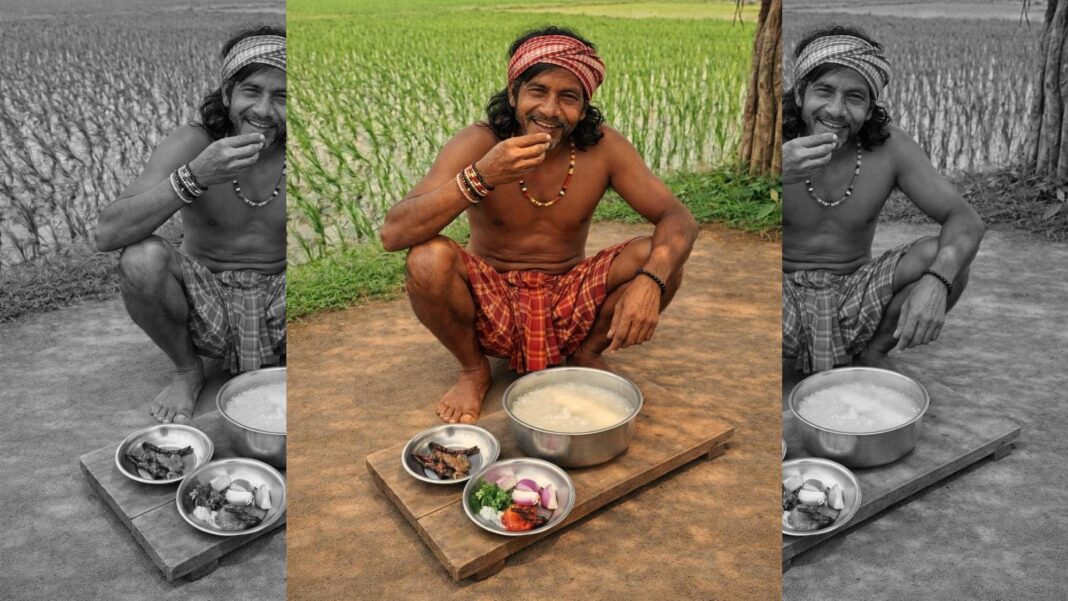
As India braces each year for the harsh sweep of summer, with temperatures rising above 40°C and humidity weighing heavily on daily life, communities instinctively turn to time-tested traditions for relief. In Odisha, that wisdom comes in a simple yet profound form; a bowl of Pakhala. What may appear as a humble preparation of fermented rice is, in fact, a remarkable blend of culture, climate adaptation, nutrition, and sustainable living.
Pakhala is more than food; it is an inheritance. Rooted in centuries-old practices, it reflects how communities have historically responded to their environment with ingenuity and balance. Derived from the Sanskrit word prakshalana, meaning “to wash,” Pakhala began as a practical method of soaking leftover rice in water. Over time, this necessity evolved into a cherished culinary tradition that embodies Odisha’s ecological intelligence and cultural continuity.
Odisha’s tropical climate has played a defining role in shaping its food habits. Long summers, high variability in summer climate, high humidity, and physically demanding agrarian lifestyles required food that could cool the body, hydrate it, and sustain energy levels. Pakhala answers all these needs effortlessly.

Consumed primarily during summer, it acts as a natural coolant, lowering body temperature and preventing heat induced fatigue. Unlike artificial cooling drinks that offer momentary comfort, Pakhala works from within. Its high water content replenishes lost fluids, while its fermented nature restores electrolyte balance. This makes it not just a dish of convenience, but a scientifically relevant dietary solution.
Even today, in many households across Odisha, Pakhala remains a preferred midday meal during peak summer -a testament to the enduring relevance of traditional wisdom.
At its core, Pakhala is simple; rice, water, and a pinch of salt. Yet, its simplicity is deceptive. Over generations, it has evolved into a versatile dish with multiple variations, each reflecting regional tastes and seasonal preferences.
From Dahi Pakhala, enriched with curd, to Jeera Pakhala infused with roasted cumin, and Ada Pakhala flavored with ginger, the dish offers a spectrum of tastes. Some variations incorporate jaggery or ghee, while others emphasize minimalism with just water and salt.
Pakhala is rarely eaten alone. It is accompanied by an array of side dishes e.g. fried vegetables like potato and brinjal, sautéed leafy greens, roasted lentil dumplings (badi), or fried fish. Together, they create a balanced meal that is both nutritious and satisfying.
This culinary diversity is not unique to Odisha alone. Across eastern and southern India, similar fermented rice dishes exist under different names like Panta Bhat in Bengal, Poita Bhat in Assam, and Pazhayathu in Tamil Nadu -all pointing to a shared cultural and ecological heritage.
To understand Pakhala is to understand Odisha itself. Food here is not merely sustenance; it is identity, memory, and tradition. The state’s cuisine reflects its geography, history, and social fabric from coastal plains rich in rice cultivation to forested regions where tribal communities rely on diverse natural resources.
In Odisha, food is deeply intertwined with rituals and beliefs. Temple traditions, especially those associated with Lord Jagannath, elevate food to a sacred offering. Everyday meals, too, carry cultural meaning -what is cooked, how it is served, and who shares it all reflect social values.
Pakhala, in this context, becomes more than a summer dish. It symbolizes a way of life that values simplicity, community, and harmony with nature.
Modern nutrition science has begun to validate what traditional practices have long upheld. The fermentation process that transforms plain rice into Pakhala enhances its nutritional value significantly.
During fermentation, beneficial microorganisms particularly lactic acid bacteria develop naturally. These microbes improve gut health, aid digestion, and help in breaking down anti-nutritional compounds present in rice. As a result, essential minerals like iron, calcium, and potassium become more bioavailable.
Pakhala is also rich in vitamins, especially those from the B group, and contains antioxidants that contribute to overall health. Its easily digestible nature makes it suitable for people across age groups, from children to the elderly.
In an era marked by lifestyle diseases and dietary imbalances, Pakhala offers a range of health benefits that are both preventive and restorative.
It helps in maintaining hydration during extreme heat, supports digestive health through probiotics, and contributes to bone strength due to its mineral content. Its fermented nature may also assist in managing cholesterol levels and regulating blood sugar, making it relevant for individuals with metabolic concerns.
Additionally, traditional knowledge suggests its role in improving sleep quality, reducing fatigue, and even supporting skin and hair health. For lactating mothers, it is believed to aid in enhancing milk production.
While some of these benefits continue to be explored scientifically, the cumulative evidence underscores one fact -Pakhala is not just food; it is functional nutrition.
Perhaps the most compelling aspect of Pakhala lies in its sustainability. In a world grappling with food waste and environmental degradation, this humble dish offers an elegant solution.
Often prepared using leftover rice, Pakhala exemplifies zero-waste cooking. Its preparation requires minimal energy and relies on natural fermentation rather than industrial processing. The use of local ingredients further reduces its carbon footprint, making it an environmentally responsible choice.
In contrast to highly processed foods that dominate modern diets, Pakhala stands as a model of how traditional practices can align with contemporary sustainability goals.
Recognizing its cultural significance, Odisha celebrates Pakhala Divas on March 20 each year. This observance is more than symbolic. It is an effort to reconnect younger generations with their culinary heritage.
Interestingly, Pakhala has also found a place in fine dining, appearing on menus of luxury hotels and restaurants. While this reflects a growing appreciation for traditional foods, it also raises important questions about authenticity and preservation.
The challenge is not merely to popularize Pakhala, but to ensure that its essence, its simplicity, cultural context, and traditional methods -is not lost in commercialization.
Pakhala carries a message that extends far beyond Odisha. In its simplicity lies a profound lesson for the modern world: that sustainable, nutritious, and culturally rooted food systems are not relics of the past but solutions for the future.
As globalization reshapes dietary habits, there is an urgent need to preserve and promote indigenous food knowledge. Traditional dishes like Pakhala remind us that innovation does not always mean invention, sometimes, it means rediscovery.
In every bowl of Pakhala lies a story, of resilience against climate, of harmony with nature, and of a culture that values balance over excess. It is a dish that nourishes not just the body but also the mind and spirit.
As we search for answers to modern challenges, be it health, sustainability, or cultural identity, perhaps we need to look no further than our own kitchens.
For in Odisha, wisdom is not just spoken or written. It is served, quietly and generously, in a bowl of Pakhala.
 Bishnupada Sethi
The author is an IAS Officer and serves as the Chairman of the Odisha Forest Development Corporation (OFDC) and continues as the Chief Administrator of the KBK districts.