
The New York Times like so many media channels in the world reported Cyclone Fani as a striking example of successful disaster management in India, particularly by Odisha. Facing an extremely severe storm, authorities carried out one of the largest evacuations in history, moving over a million people from vulnerable coastal areas to shelters well before landfall. This was made possible through accurate forecasting, early warnings, mass communication including millions of text alerts, and coordinated efforts by government agencies and volunteers. As a result, despite the cyclone’s intensity, the loss of life was kept remarkably low compared to past disasters like the 1999 Odisha super cyclone, demonstrating how preparedness, planning, and timely evacuation can significantly reduce human casualties.
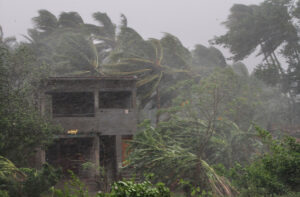

However, when Mega Cyclone Fani barrelled towards the Odisha coast in May 2019, it was not just the strength of infrastructure or the scale of evacuation that shaped the outcome, it was also the power of information. In those critical hours, media emerged not merely as a chronicler of events, but as a decisive force that helped save lives, reduce panic, and enable coordinated action.
As disasters grow more frequent and severe due to climate change and increased variability, the role of media in disaster management has become central rather than supplementary. From early warnings to post-disaster recovery, media today functions as a vital link between authorities and citizens, shaping both perception and preparedness.
Disaster management begins long before disaster strikes. One of the most important roles of media lies in building awareness and preparedness among communities, particularly in vulnerable regions. Through sustained campaigns, advisories, and educational programming, media equips citizens with the knowledge required to respond effectively.
In Odisha, a state historically prone to cyclones, this continuous engagement has helped embed a culture of preparedness. Communities are no longer passive victims; they are informed participants in disaster response. A comprehensive disaster communication plan must include risk reduction, early warning, real-time coverage, and post-disaster engagement. This framework was put to the test during Cyclone Fani and it delivered.
The days leading up to Cyclone Fani’s landfall demonstrated the transformative potential of timely and accurate communication. Media outlets across print, television, and digital platforms provided continuous updates on the cyclone’s trajectory, intensity, and expected impact.
For nearly 72 hours, citizens received real-time information, enabling them to make informed decisions. Media did not operate in isolation; it amplified official advisories and government actions, including the unprecedented evacuation of more than 1.5 million people to safer locations.
This synergy between media and administration proved critical. It built trust, reduced resistance to evacuation, and ensured that warnings translated into action.
When Cyclone Fani made landfall, the role of media shifted from anticipation to real-time response. In disaster situations, information becomes as essential as food, water, and shelter.
Media outlets provided continuous updates on weather conditions, damage assessments, and emergency services. Crucially, they delivered actionable information like helpline numbers, locations of relief camps, availability of medical assistance, and distribution of essential supplies.
Electronic media leveraged advanced tools such as satellite imagery, radar tracking, and GIS-based graphics to present clear and accurate information. Scrolling alerts on television screens ensured that even casual viewers remained informed.
Yet, this phase also underscored the ethical responsibility of journalism. As observed, initial reports during disasters are often prone to exaggeration and needed to be verified with utmost care. In a crisis, misinformation can spread faster than the disaster itself, amplifying fear and confusion.
The success of media during Fani lay in its ability to inform without inflaming, to report responsibly without resorting to sensationalism.
Cyclone Fani marked a watershed moment in the use of social media for disaster management in India. Platforms such as Facebook, Twitter, and WhatsApp became critical tools for real-time communication and citizen engagement.
Government agencies, particularly the Office of the Special Relief Commissioner, used social media extensively to disseminate updates, advisories, and emergency contacts. The scale of outreach was unprecedented, with millions of users reached and engaged within days.
What made social media especially powerful was its immediacy and interactivity. It enabled two-way communication. Citizens could seek help, report issues, and receive responses in real time. At the same time, it helped counter misinformation by providing verified and authoritative updates.
Journalists and media organizations further amplified this reach by sharing updates across their digital platforms, creating a dense and responsive communication network.
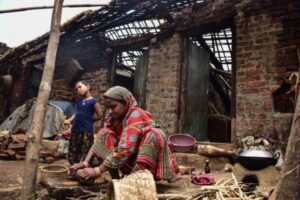
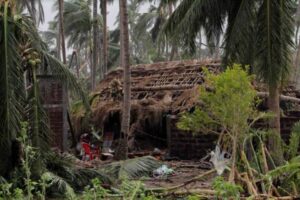
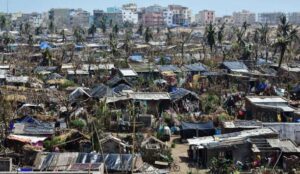
The role of media does not end when the winds subside. In many ways, its responsibility becomes even more significant in the aftermath. Post-Fani, media played a vital role in presenting accurate assessments of damage, highlighting gaps in relief efforts, and mobilizing resources. By bringing national and international attention to the affected areas, it facilitated the flow of aid and support.
Equally important was its role in stabilizing public sentiment. By providing factual and balanced reporting, media helped to arrest panic and restore confidence among affected communities. Sustained coverage of rehabilitation efforts also ensured accountability, keeping the focus on long-term recovery rather than short-term relief.
The importance of media in disaster management is formally recognized in India’s National Policy on Disaster Management (2009), which underscores its role in information dissemination, community awareness, and early warning systems. The policy calls for effective partnerships between media and disaster management authorities, regular press briefings, and training in accurate reporting. The experience of Cyclone Fani demonstrates the value of such collaboration.
In Odisha, the synergy between media and institutions like the Odisha State Disaster Management Authority (OSDMA) has been instrumental in building a robust disaster communication framework.
Despite its achievements, the media landscape faces significant challenges. The pressure for speed can compromise accuracy. The rise of unverified content on social media poses risks of misinformation and panic.
The answer lies in strengthening ethical journalism. Media must adhere to principles of accuracy, sensitivity, and responsibility. Disasters are not spectacles; they are human tragedies that demand empathy and restraint. Since information could trigger panic, this must be handled with care, and sensationalism must be avoided at all costs.
Cyclone Fani stands as a powerful reminder that in disaster management, information can save lives. The proactive and responsible role played by media across platforms was integral to one of the most successful large-scale evacuations in recent history.
In an age of increasing uncertainty, the media’s role must continue to evolve, from being a mere observer to becoming a partner in resilience-building. When used effectively, it is not just a medium of communication; it is a lifeline.
 Bishnupada Sethi
The author is an IAS Officer and presently serves as the Chairman of the Odisha Forest Development Corporation (OFDC) and continues as the Chief Administrator of the KBK districts.