

From Turmoil to Turnaround: Nepal’s Gen-Z Moment and Balen Shah’s Political Rise
Nepal’s contemporary political story is one of deep turbulence, public frustration, and an emerging generational shift. The near-clean sweep projected for rapper-turned-politician Balen Shah’s Rastriya Swatantra Party (RSP) in recent political contests signals more than just an electoral upset—it reflects a broader transformation in Nepal’s political culture. From years of instability to the assertive voice of Gen Z, Balen Shah’s ascent marks a defining chapter in Nepal’s democratic journey.

A Nation Tired of Instability
Since the end of monarchy in 2008, Nepal has struggled to achieve sustained political stability. Frequent government collapses, coalition bargaining, corruption scandals, and slow economic growth steadily eroded public trust in traditional parties such as the Nepali Congress and the Communist factions (UML and Maoists).
Youth unemployment remained high, migration surged, and urban infrastructure lagged behind public expectations. Kathmandu in particular became a symbol of systemic neglect—traffic congestion, waste management crises, pollution, and weak governance turned daily life into a struggle for many residents.
This frustration gradually evolved into a political awakening, especially among urban youth who felt disconnected from old-style leadership.
The Rise of Gen-Z Political Consciousness
Nepal’s Gen-Z generation—digitally connected, politically aware, and globally exposed—played a pivotal role in reshaping public discourse. Social media platforms became arenas for political debate, satire, and mobilization. Young voters increasingly rejected ideological polarization in favor of practical governance.
Unlike earlier generations influenced by ideological movements, Gen Z prioritized:
- Transparent governance
- Efficient urban development
- Anti-corruption reforms
- Meritocratic leadership
Their frustration with “old politics” created fertile ground for outsider candidates.

Balen Shah: From Rapper to Reformist
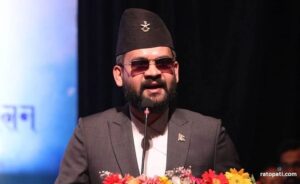
Balen Shah’s journey is emblematic of this transformation. Trained as a civil engineer and known in Nepal’s underground hip-hop scene, Shah used his music to critique social inequality, political corruption, and urban decay. His lyrics resonated strongly with younger audiences who saw him as authentic and fearless.
When Shah entered politics as an independent candidate for Kathmandu mayor in 2022, many initially dismissed his bid as symbolic. Yet his campaign—driven by grassroots volunteers and social media outreach—struck a chord with voters tired of traditional politics.
His victory shocked Nepal’s political establishment and established him as a symbol of generational change.
Governance Style: Pragmatic and Assertive
As mayor of Kathmandu, Shah quickly developed a reputation for decisive governance. His tenure has focused on:
- Crackdowns on illegal construction
- Waste management reforms
- Beautification and heritage preservation projects
- Administrative transparency
Though controversial at times, his assertive style reinforced his image as a results-oriented leader willing to challenge entrenched systems.
RSP’s Momentum and the Broader Shift
The rise of the Rastriya Swatantra Party aligns with Shah’s broader appeal. Positioned as a reformist alternative, the RSP capitalized on public anger toward corruption and inefficiency. Its messaging emphasized accountability, youth empowerment, and technocratic governance.
The party’s strong performance—approaching a near-clean sweep in several contests—signals a wider political shift:
Collapse of Traditional Party Loyalty: Voters increasingly prioritize performance over legacy.
Urban Electoral Transformation: Cities have become laboratories for political experimentation.
Youth-Driven Mobilization: Campaigns increasingly rely on digital engagement rather than conventional networks.

Challenges Ahead
Despite its momentum, Shah and the RSP face significant challenges:
Translating urban success into nationwide governance
Managing coalition politics
Addressing rural-urban disparities
Sustaining public expectations in a fragile economy
Nepal’s political environment remains complex, and lasting change will require institutional reform beyond electoral victories.
A Generational Turning Point
Balen Shah’s rise reflects more than personal popularity—it captures a generational shift in Nepal’s democratic imagination. From years of instability to the assertiveness of Gen Z, Nepal’s politics is entering a new phase shaped by accountability, pragmatism, and public engagement.
Whether this momentum leads to structural transformation remains uncertain. But one thing is clear: Nepal’s youth have reshaped the political narrative—and Balen Shah stands at its center.