

Sri Jagannath Saraka (born 10 June 1973) is an Indian politician and senior leader of the Biju Janata Dal (BJD). A law graduate and grassroots organizer from Munda village (Jhigidi) in Rayagada district, Saraka’s political trajectory reflects both his deep local connect and his alignment with the organisational ethos of BJD under Naveen Patnaik’s leadership.

Electoral Breakthrough: Winning Bissam Cuttack

Saraka entered the Odisha Legislative Assembly in 2014, contesting from the Bissam Cuttack constituency — a seat reserved for Scheduled Tribes and historically competitive. Running on the BJD ticket, he defeated the Congress candidate Dambarudhar Ulaka by a substantial margin (over 29,000 votes), highlighting his appeal among tribal voters and effective campaign strategy rooted in local outreach.
He consolidated this foothold in 2019, winning the same seat again on a BJD ticket. His victories were not accidental: they were underpinned by sustained engagement with community leaders, focus on regional development issues, and an ability to project a BJD governance narrative that resonated with tribal and backward-class constituents.
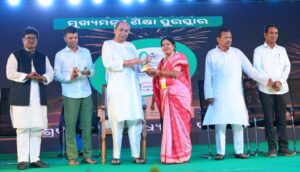
From MLA to Minister of State
After the 2019 Assembly elections, Naveen Patnaik chose Saraka for a ministerial role in his cabinet — formally appointing him Minister of State for Scheduled Caste and Scheduled Tribe Development, Minorities & Backward Classes Welfare. This portfolio was critical given Odisha’s significant tribal population and ongoing welfare-centric policy push by the state government.
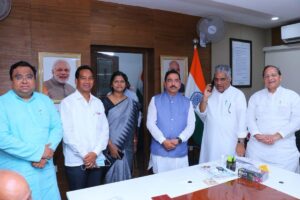
Saraka’s elevation from legislator to minister of state signals two key dynamics:
Policy alignment: His legal training and grassroots experience equipped him to handle welfare-focused departments that directly impact socially and economically disadvantaged groups — a strategic priority for BJD.
Political reliability: Patnaik has historically valued leaders who demonstrate organisational discipline and public service orientation, both of which Saraka exhibited through consistent constituency work.
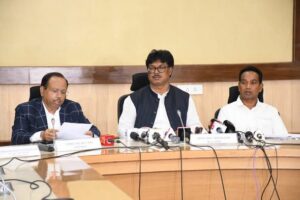
Winning Naveen Patnaik’s Trust
The trust Saraka earned from Naveen Patnaik and the BJD leadership rested on several pillars:
Organisational Loyalty: Saraka has remained a committed party man — avoiding high-profile factionalism and publicly aligning with BJD’s positions even amid local intra-party tensions. This loyalty is key in a party led by Patnaik, where organisational discipline and coherence are prioritized.
Welfare Emphasis: By anchoring his political narrative around welfare delivery and social justice — core tenets of BJD’s platform — Saraka reinforced his utility to the party’s broader strategic messaging.
Regional Leadership: As a tribal leader from Rayagada, his presence helped BJD project representation in areas where identity and local leadership matter politically.
Even after his electoral loss in 2024 — when Congress’s Nilamadhab Hikaka defeated him in Bissam Cuttack — Saraka’s standing within the BJD did not diminish entirely. That he was later appointed District President for Rayagada BJD reflects continued organisational confidence in his leadership.
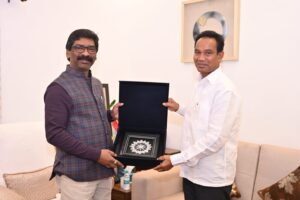
Organisational Role and Local Politics
Saraka’s appointment as Rayagada District President by Patnaik aimed to stabilise and strengthen the party unit after internal factional tensions emerged. Some senior local figures, including former MP N. Bhaskar Rao and ex-minister Lal Bihari Himirika, resigned from BJD citing disagreements over this appointment — underscoring Saraka’s centrality to the party’s realignment in the region. His public rebuttals to dissenters and defence of BJD unity showcase his preparedness to take on organisational responsibilities as well as legislative duties.
Impact and Political Legacy
Jagannath Saraka’s political journey illustrates more than individual ambition. It highlights a model of leadership valued in regional Indian politics — one that combines local rootedness, loyalty to party leadership, and an emphasis on socio-economic development. While electoral fortunes can fluctuate, Saraka’s continued relevance within BJD suggests that his role in both policy advocacy and organisational structuring will remain significant in Odisha’s evolving political landscape.